
Business
Key Elements of a Crisis Management Plan
Discover the key elements of a comprehensive crisis management plan to effectively navigate any crisis with confidence. From risk assessment to communication strategies, this article provides a comprehensive guide.

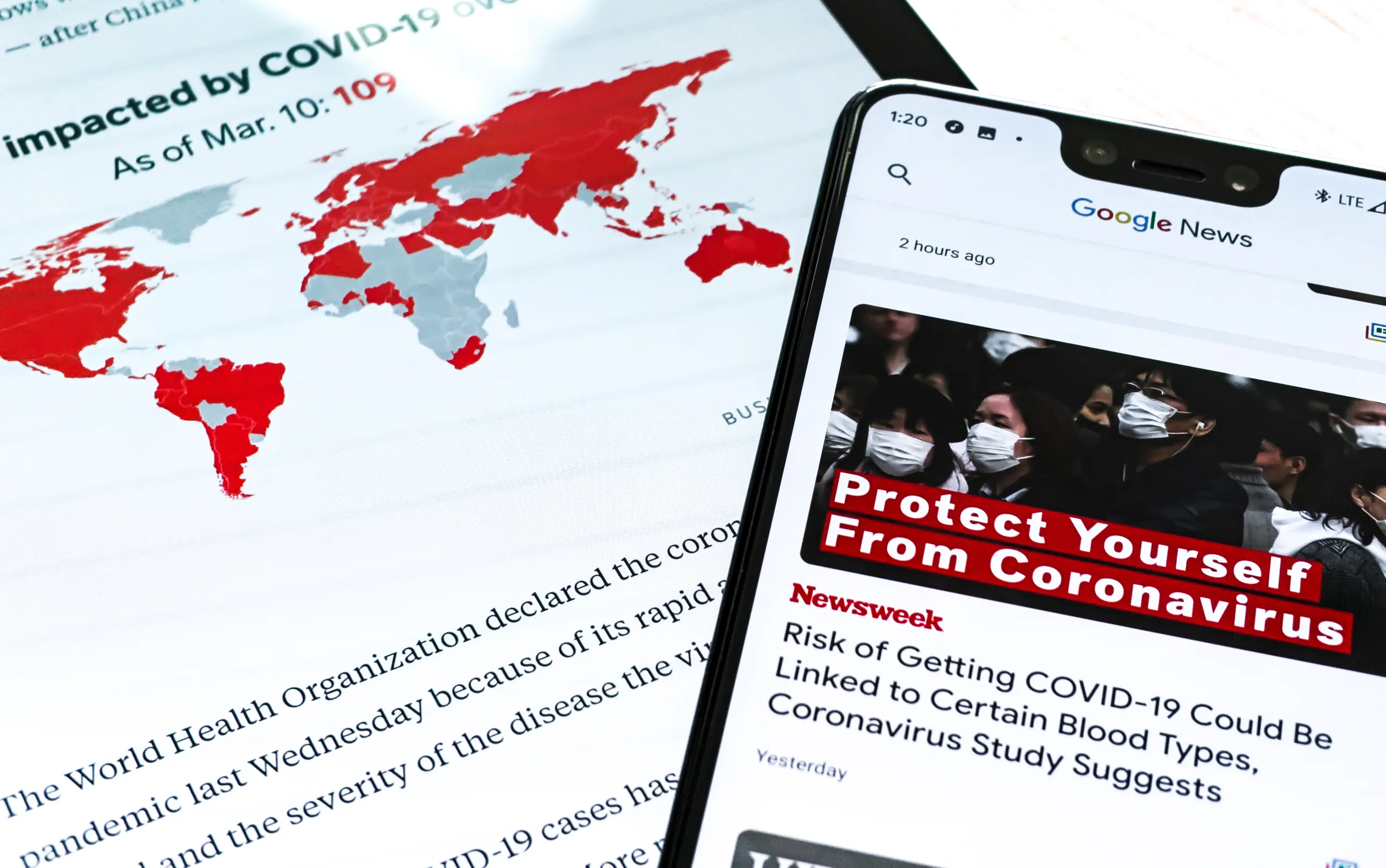
In today’s unpredictable world, it is crucial to have a well-prepared crisis management plan in place. Whether it’s a natural disaster, a cyber-attack, or a reputation crisis, being able to effectively respond and mitigate the impacts is essential. This article highlights the key elements that should be included in a comprehensive crisis management plan, ensuring that you are armed with the necessary tools and strategies to navigate any crisis with confidence. From communication protocols to risk assessment, get ready to discover the essential components that will help you effectively navigate the storm.
Key Elements of a Crisis Management Plan
A crisis can strike anytime, causing significant harm to your organization’s reputation, financial stability, and overall operations. It is crucial to have a well-thought-out crisis management plan in place to effectively respond and mitigate the impact of these unexpected events. In this article, we will explore the key elements of a crisis management plan, providing you with a comprehensive guide to ensure your organization is prepared for any potential crisis that may arise.
This image is property of images.unsplash.com.
Identifying Potential Crises
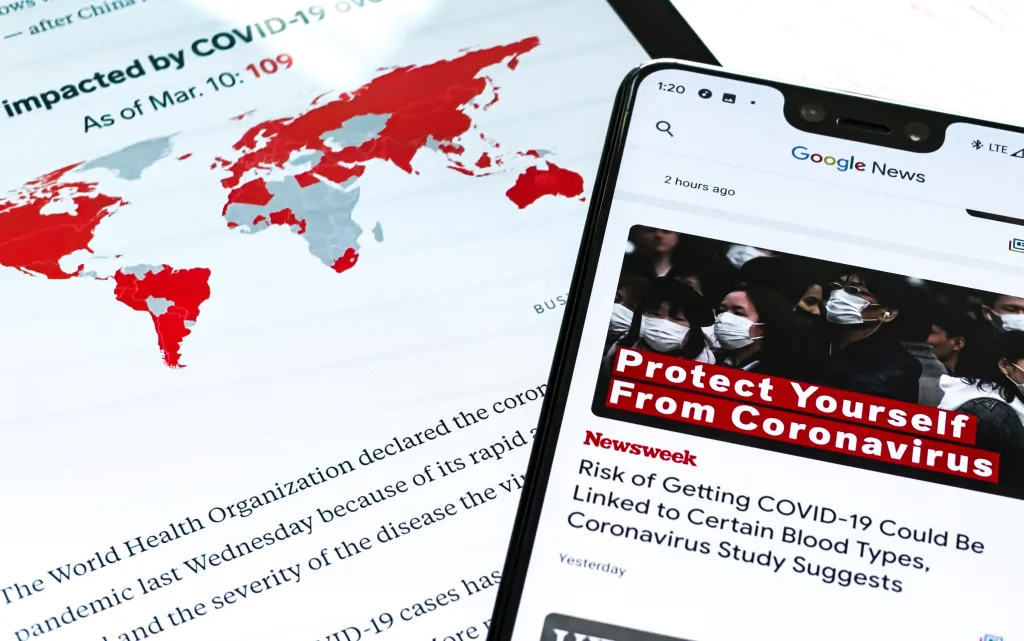
The first step in creating a solid crisis management plan is to identify potential crises that your organization may face. This involves conducting a thorough risk assessment, considering external and internal factors that could lead to a crisis. External factors may include natural disasters, public health emergencies, legal issues, or cyberattacks. On the other hand, internal factors may involve leadership failures, product recalls, workplace accidents, or employee misconduct. By identifying potential crises, you can better understand their likelihood and impact, enabling you to develop proactive strategies to prevent or effectively address them.
Establishing a Crisis Management Team
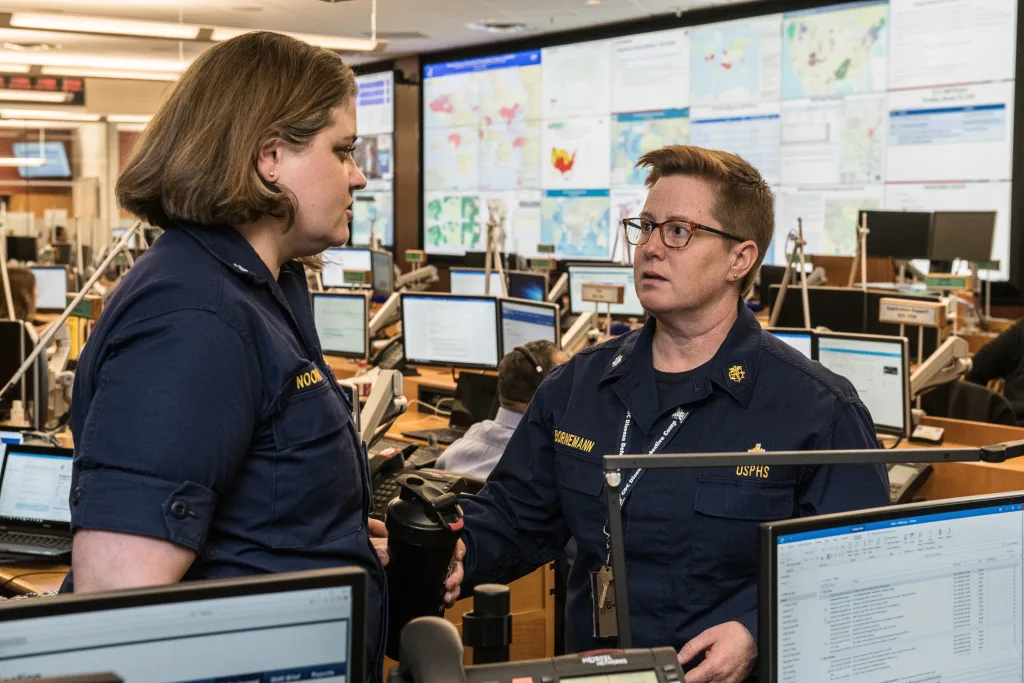
Once potential crises are identified, it is essential to establish a crisis management team. This team should consist of individuals from various departments within your organization, including executives, department heads, legal advisors, public relations representatives, and key decision-makers. The crisis management team should be led by a crisis manager who possesses strong leadership skills and the ability to make effective decisions under pressure. The team’s composition should reflect diverse perspectives, ensuring comprehensive problem-solving and efficient communication during a crisis.
This image is property of images.unsplash.com.
Developing a Communication Strategy
A well-crafted communication strategy is vital in crisis management. It serves as a roadmap for effectively conveying timely and accurate information to key stakeholders, including employees, customers, media outlets, and the public. The communication strategy should include methods of communication, such as press releases, social media updates, internal memos, and website notifications. Additionally, it should outline key messages and designate spokespersons who will handle media inquiries and public statements. By developing a communication strategy in advance, your organization can ensure transparency, build trust, and maintain control of the narrative during a crisis situation.
Implementing an Emergency Response Plan
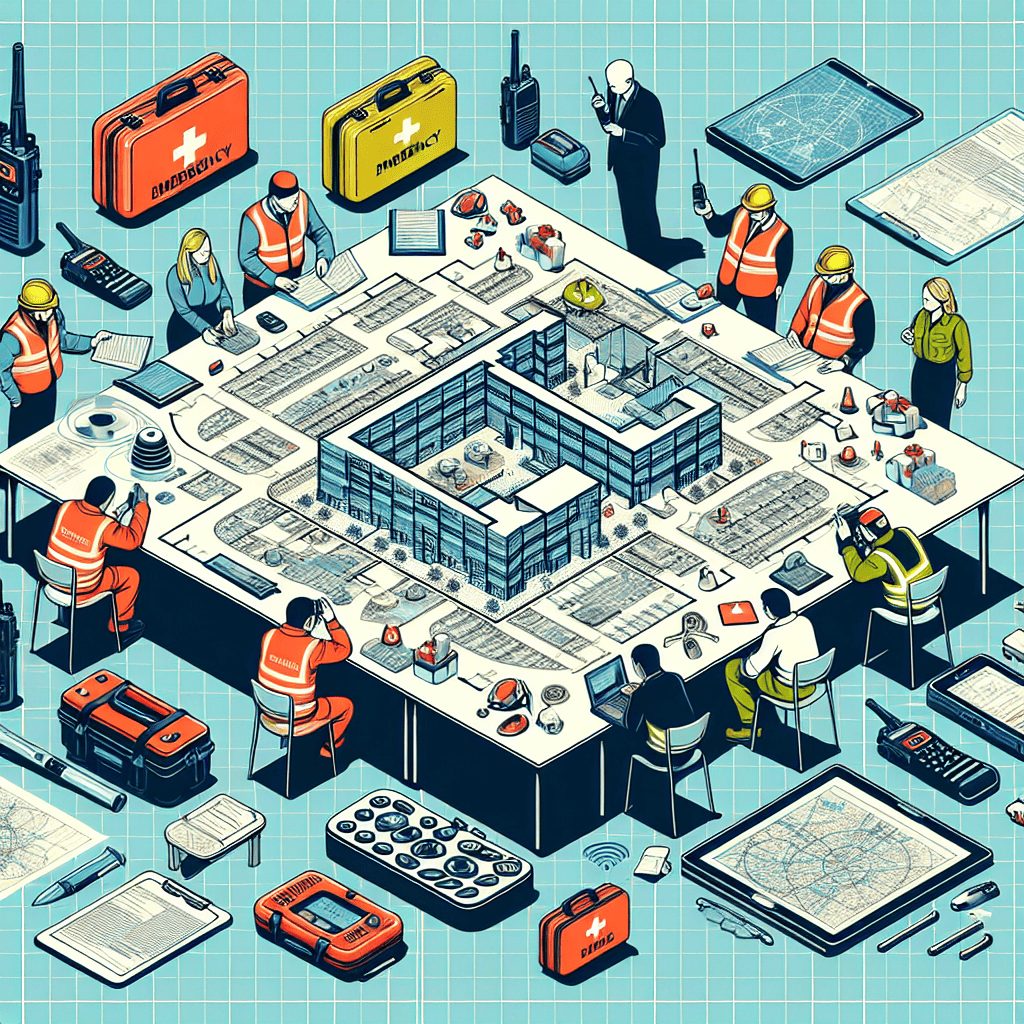
In the midst of a crisis, time is of the essence. Implementing an emergency response plan allows your organization to act swiftly and efficiently when faced with unexpected events. This plan should outline specific procedures and protocols for various crisis scenarios, including evacuation procedures, handling injured individuals, notifying emergency services, and activating backup systems. By establishing clear guidelines and assigning roles and responsibilities in the emergency response plan, your organization can minimize confusion and ensure a coordinated response to protect the safety of employees, stakeholders, and the general public.

This image is property of images.unsplash.com.
Training and Testing Procedures
Even the most well-crafted crisis management plan is ineffective if your team has not been adequately trained and tested in executing it. Conducting regular crisis management training sessions and drills is crucial to ensure your team is prepared to handle crises effectively. These sessions should include simulated crisis scenarios, allowing team members to practice their roles and responsibilities and identify any gaps or areas of improvement. Post-drill debriefings are also essential to evaluate the effectiveness of the plan, address any issues, and update protocols accordingly. By investing in training and testing procedures, you can enhance the readiness of your team and improve crisis response capabilities.
Creating Crisis Communication Templates
During a crisis, the ability to respond quickly and consistently is key. Creating crisis communication templates in advance can save valuable time and ensure a unified message across various communication channels. These templates should include pre-approved messaging, press release formats, social media updates, and other communication materials that can be easily customized to fit the specific crisis situation. By having these templates readily available, your organization can swiftly disseminate accurate information, maintain public trust, and control the flow of information during times of crisis.

Establishing a Media Relations Strategy
Effective media relations play a crucial role in crisis management, as media outlets often serve as the primary source of information for the public during a crisis. Establishing a media relations strategy involves building relationships with key journalists and media organizations, providing them with accurate and timely information, and addressing their inquiries promptly. Additionally, your media relations strategy should outline guidelines for press conferences, media interviews, and statements, ensuring that spokespersons are equipped to handle media interactions in a confident and consistent manner. By proactively managing media relations, your organization can shape the narrative and protect its reputation during a crisis.
Monitoring and Evaluating Crisis Response
Crisis management doesn’t end once the initial response is over. Continuously monitoring and evaluating the effectiveness of your crisis response is essential for ongoing improvement and preparedness. This involves tracking media coverage, monitoring social media channels for public sentiment, and evaluating the feedback received from stakeholders. By analyzing the strengths and weaknesses of your crisis response, you can identify areas for improvement and implement necessary changes to strengthen your crisis management plan moving forward.
Adapting and Updating the Crisis Management Plan
As the business landscape evolves, so do the potential risks and crises that organizations face. Therefore, it is vital to regularly review, adapt, and update your crisis management plan to ensure its relevance and effectiveness. Conducting periodic risk assessments and incorporating feedback from post-crisis evaluations can help identify emerging threats and vulnerabilities. By staying proactive and up to date, your organization can ensure that its crisis management plan remains robust and adaptable, capable of addressing any future crises that may arise.
Documenting Lessons Learned
While crises are undoubtedly challenging, they also present opportunities for learning and growth. Documenting lessons learned from previous crises and incorporating them into your crisis management plan can strengthen your organization’s overall preparedness and response capabilities. This includes capturing insights, identifying areas for improvement, and implementing corrective actions to prevent similar issues in the future. By treating every crisis as a learning experience, your organization can enhance its resilience and protect itself against future threats.
In conclusion, a well-developed crisis management plan is essential for any organization striving to protect its reputation, maintain stakeholder trust, and navigate through unexpected challenges. By identifying potential crises, establishing a crisis management team, developing a communication strategy, implementing an emergency response plan, training and testing procedures, creating crisis communication templates, establishing a media relations strategy, monitoring and evaluating crisis response, adapting and updating the crisis management plan, and documenting lessons learned, your organization can significantly enhance its crisis management capabilities. Remember, preparedness is key—so invest the time and effort in building a robust crisis management plan today to safeguard your organization’s future.





Pingback: Creating a Robust Crisis Management Plan - Thought Leaders Ethos™