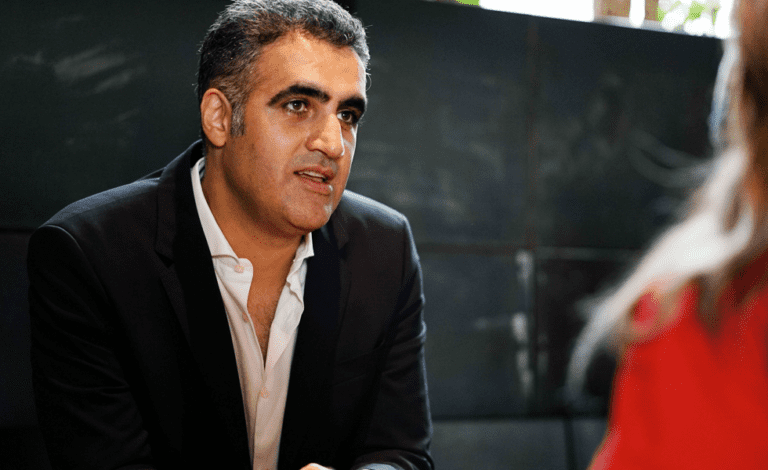
Meet Frank Scarso: The CEO Who Rebuilt From Homelessness to Lead a $250M Lending Platform
Meet Frank Scarso: The CEO Who Rebuilt From Homelessness to Lead a $250M Lending Platform
We’ve recently had the pleasure of meeting Frank Scarso, CEO of Avanza Capital, an alternative lending firm that has deployed more than $250 million to small businesses across 48 states and author of “The Hard Way Home,” a book
Last updated: July 2026
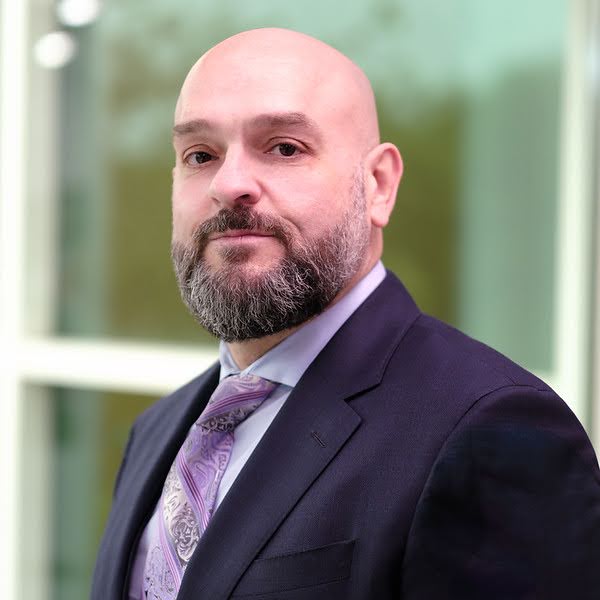
Frank Scarso is the CEO of Avanza Capital, an alternative lending firm that has deployed more than $250 million to small businesses across 48 states. After nearly three decades in financial markets, he rebuilt from homelessness, depression and anxiety to bootstrap Avanza — a story he tells in his book “The Hard Way Home.”
Key Takeaways
- Avanza Capital has deployed $250M+ to small businesses in 48 states, lending to profitable companies that traditional banks turn down.
- Scarso’s biggest early mistake was letting enthusiasm override diligence — the reason Avanza now leads with disciplined underwriting.
- He bootstrapped the firm out of necessity after a partner walked away, and argues bootstrapping builds deeper business understanding than VC capital.
- The most common finance mistake he sees: underestimating cash-flow timing and over-leveraging against credit scores instead of actual cash flow.
- His five essentials for modern finance: discipline, relationships, risk management, adaptability, and remembering the real people behind every deal.
We’ve recently had the pleasure of meeting Frank Scarso, CEO of Avanza Capital, an alternative lending firm that has deployed more than $250 million to small businesses across 48 states and author of “The Hard Way Home,” a book about losing everything and rebuilding stronger. We sat down with Frank to discuss his journey, which you can read below:
Frank, let’s start with your backstory. How did you get into alternative lending?
I spent close to three decades in financial markets seeing small business owners, even very good ones, struggle to access capital through traditional banks. Many had solid, profitable businesses with strong revenue, and that could have accumulated some serious momentum, but were stuck because they didn’t tick the right boxes.
When Avanza was just starting out, it was mostly friends and family who believed in what we were trying to build. Back then our focus was on finding a way to sustainably get capital to small businesses that needed it but couldn’t get it through normal channels and over time, it grew into something bigger, but the core idea stayed the same.
What was your funniest or most instructive early mistake?
Early on, I thought saying yes was always the right move. In fact, I remember one deal where everything seemed to be going perfect; the owner was confident, numbers looked good, and I was eager to move, but looking back, I skipped a few diligence steps to avoid slowing that momentum which created some problems later on.
That deal taught me how enthusiasm could get in the way of discipline, and how that brought consequences. It reinforced the importance of strong underwriting, having the right advisors, and building processes that protect both the company and lending partners, things that shaped the framework we operate under now.
You’ve been open about personal struggles that shaped your approach to business. Can you talk about that journey?
My guiding principle is to stay disciplined and keep a long-term perspective, and for me, that comes from my own personal journey and the thigsI went through that taught me lessons I could never have learned otherwise.
There were times when I was facing homelessness, depression, and anxiety and it felt like life had fallen apart. I experienced firsthand what it means to need real, do-or-die help and those experiences gave me an entirely different understanding of resilience, both personally and professionally.
The lessons I learned then guide nearly every decision I make in business and life today, which is what inspired my book, “The Hard Way Home.” It’s meant to show that even in the darkest moments, you can rebuild, learn, and come out stronger.
You bootstrapped Avanza after your partner walked away. What advice would you give founders deciding between bootstrap and VC?
Bootstrapping under pressure can be tough. Early on, my partner walked away when I needed him most, leaving me to manage the clients, the money, and everything we had built. So bootstrapping came as an overnight necessity.
However, it taught me discipline, resilience, and the importance of laying strong foundations that can withstand unexpected events like that. VC capital accelerates growth but comes with trade-offs: investor pressure, scaling expectations, sometimes loss of control. Bootstrapping is harder short-term, but it builds deep business understanding and forces smarter, sustainable decisions.
What are the biggest finance mistakes you see businesses make?
The biggest has to be underestimating cash flow management. I see too many businesses over-leverage without really understanding their cash timing. One of the first things I teach when mentoring a founder is to look at actual cash flow, not just credit scores, because that’s what tells you if a business can handle the debt.
Other mistakes would be not seeking help early enough, not stress-testing assumptions, and treating finance like it’s just numbers instead of understanding the human side.
Based on your experience, what are the five most important things someone needs to succeed in modern finance?
The first and most important would be discipline. You need to stick to your process even when you’re excited about a deal.Enthusiasm without discipline is how you make mistakes you’ll regret later.
In Second, there’s relationships. Finance isn’t just transactional, it has a lot to do with how the relationships you build along the way. If you get that one deal you wanted but that comes at the cost of burning a bridge, you’re doing something wrong.
Third is risk management. You have to actually understand the risks you’re taking, not just hope things work out. The way to do that is focusing on fundamentals. If those are solid, the upside usually takes care of itself.
Fourth, adaptability. The market and the tools change and you have to be willing to evolve without abandoning what you stand for.
And fifth, remember there are real people behind the numbers and that every deal affects someone’s livelihood, their family, and their future.
How do you avoid burnout in this industry?
You have to set boundaries and remember why you started in the first place. Lean on your team and people you trust and communicate honestly with them about how you need a life outside work. Then, of course, there’s self judgement, and that’s where you need to remind yourself about the difference in working harder and smarter, and that you’re still human.
What’s your company’s WHY? What drives the work you do?
We want to make capital accessible for small businesses. I spent years seeing strong businesses struggle to access capital through traditional banks, even when they had revenue, loyal customers, and growth potential, but were still stuck in a system that didn’t work for them.
We wanted to create a platform that could step in where traditional financing falls short, providing capital to businesses that have already proven themselves but were locked out by bureaucracy.
If you could start one movement, what would it be?
I’d want to help people build resilience and take control of their financial lives, especially when they’re going through real life challenges like I did back then.
What’s next for you?
Personally, I’m focused on finishing “The Hard Way Home.” The challenges I faced professionally and personally and how they shaped who I am and what I do today. I hope sharing that story helps people navigate their own obstacles.
We recently upgraded our technology to make the process of landing a loan more transparent and efficient too, and we’ll continue trying to push innovation forward.
How to Contact Frank Scarso and Avanza Capital
- Website: www.avanza.nyc
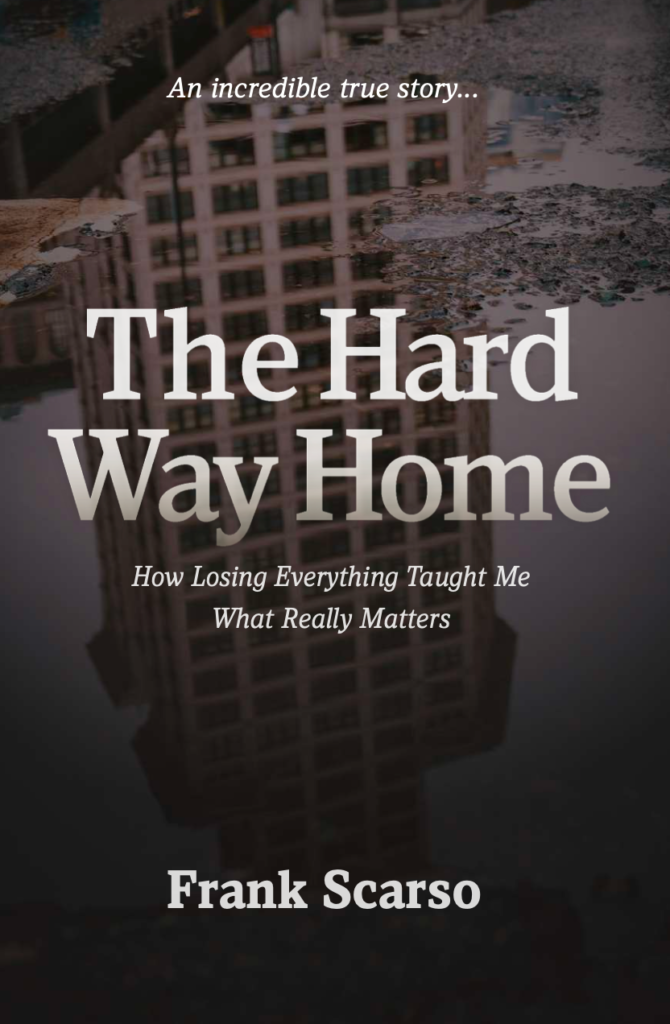
- Book: “The Hard Way Home: How Losing Everything Taught Me What Really Matters”
For more on the cash-flow discipline Scarso describes, see our interview with Summit CFO’s Heather Parsons on five ways small businesses can build financial resilience.
Frequently Asked Questions
Who is Frank Scarso?
Frank Scarso is the CEO of Avanza Capital, an alternative lending firm that has deployed more than $250 million to small businesses across 48 states. He spent close to three decades in financial markets before founding the company, and is the author of “The Hard Way Home,” a book about losing everything and rebuilding.
What is Avanza Capital?
Avanza Capital is a New York-based alternative lending firm founded by Frank Scarso. It provides capital to small businesses that are profitable and revenue-generating but cannot access financing through traditional banks. The firm has deployed over $250 million across 48 states and began with backing from friends and family.
What is the biggest financial mistake small businesses make?
According to Frank Scarso, the biggest mistake is underestimating cash-flow management. Many owners over-leverage without understanding their cash timing. He advises founders to evaluate actual cash flow rather than credit scores alone, because cash flow determines whether a business can realistically service new debt.
Should founders bootstrap or raise venture capital?
Scarso bootstrapped Avanza Capital out of necessity after a business partner left. He says venture capital accelerates growth but brings investor pressure, scaling expectations and potential loss of control, while bootstrapping is harder short-term but builds deeper business understanding and forces more sustainable decisions.
What is Frank Scarso’s book about?
“The Hard Way Home: How Losing Everything Taught Me What Really Matters” recounts Scarso’s experience with homelessness, depression and anxiety, and how he rebuilt personally and professionally. He wrote it to show that people can rebuild, learn and come out stronger even in their darkest moments.
Read us often? Make Thought Leaders Ethos™ a preferred source in Google Search and see our reporting more often in Top Stories.