A Desert Storm veteran’s simple math for leadership under pressure and veteran mental health
By Austin Holmes, Co-Founder & President, Publicity For Good & Signal Raptor / Host of OverPressure Podcast
Focus Insights
- Pressure gets lighter when the load is shared across a team.
- Leaders get better when the people under them are willing to call them out.
- Support built for the veteran alone leaves families without help.
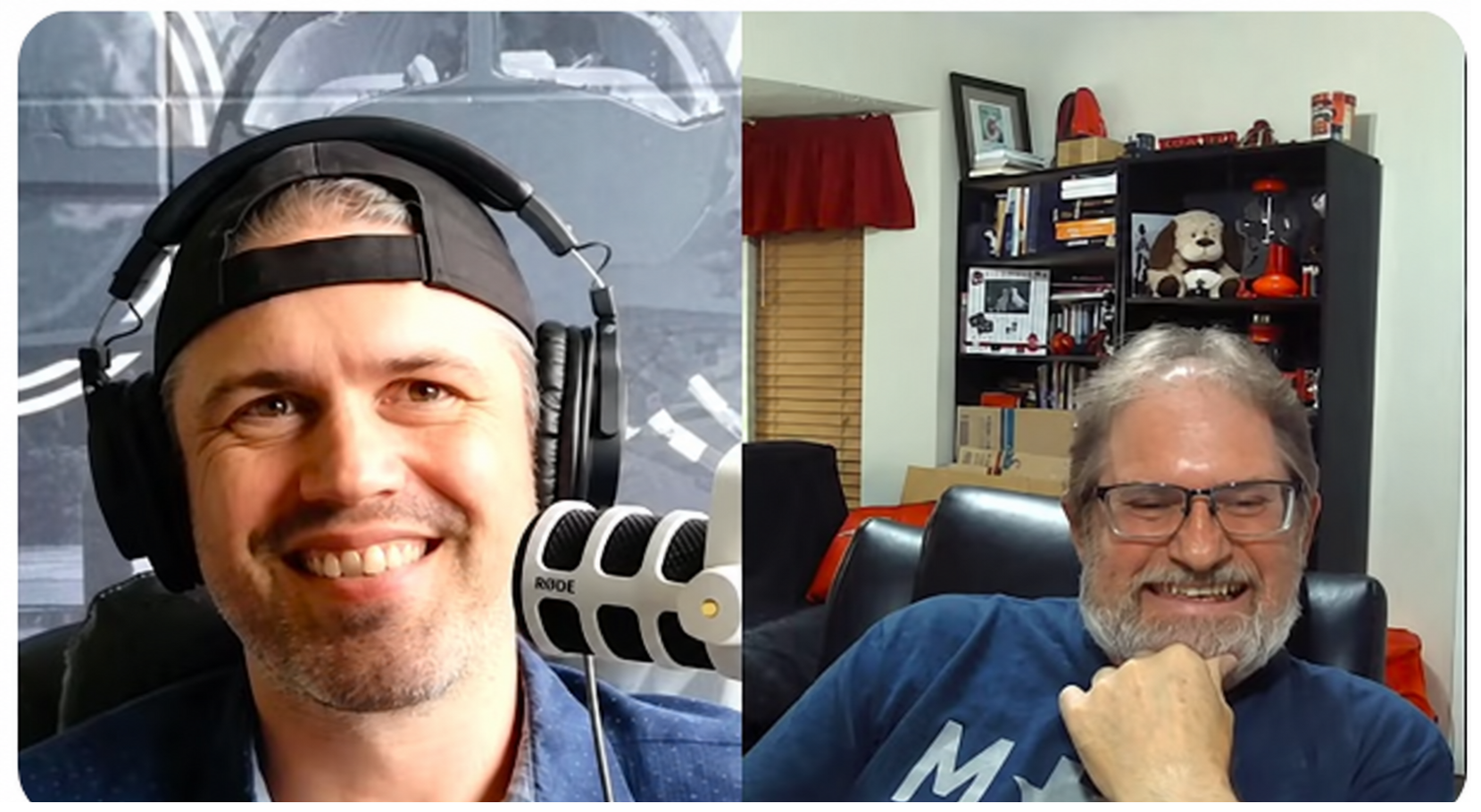
Deep into my conversation with Mart Ratliff on the OverPressure Podcast, he did some math out loud. Put 100 pounds per square inch on one person, step in beside him and you each carry 50, and by the time four of you share it, everyone is holding 25. For a show named after a blast wave, I couldn’t ask for a cleaner lesson in leadership.
Mart served in the Desert Storm era and made E6 as an NCO. Watching close friends struggle with problems tied to their service pushed him toward veteran advocacy, and today he writes about leadership and is building Hero Haven, a nonprofit for veterans and their families. For veterans taught to carry the load alone, it’s a mental health issue too.
Leadership Under Pressure Starts Before the Pressure Hits
Mart’s first rule is to decide while things are calm. Most crisis stress comes from absorbing information and planning at the same moment, so he sets the pathways and contingencies ahead of time, the way trusted orders let a unit put its energy into the work.
His second rule is the math. During the war, he and a few buddies guarded an ammo dump and played cards while missiles landed close by, and having each other there changed the whole experience. Spreading leadership across a team keeps the pressure off any one person.
Hold Your Leaders Accountable
Mart calls his starting point determining signal: the consequences a leader faces shape how they behave over time. He applies it to himself, and his future board’s job will include reining him in fast if he hurts the mission.
The NCOs he respected most had high standards, treated people right and could take feedback, and as an E6 he would pull his own platoon sergeant aside when things went sideways. Looking back, he sees “embrace the suck” as a weak way to lead. The leaders worth following own their mistakes, and followers who tolerate the ones who blame others end up with the leadership they accepted.
What Dog Training Taught Him About Leading People
After leaving the military at 25, Mart struggled as a new manager at a Fortune 500 company, feeling like people kept talking over his radio traffic with no squelch to filter the noise. Answers came from dog trainers he worked alongside, including members of Texas Task Force One, who introduced him to operant conditioning. The same model of learning works with people, something I first picked up training my own dog in college.
That work became The Birds and Bees of Leadership, the first of a planned eight-book series on the phases companies move through. In his seminars, he finds which of four tension points is dominating an organization, because every organizational issue traces back to leadership and most companies keep chasing symptoms downstream.
Veteran Care Has the Same Problem
Through his work with a nonprofit for veterans and first responders with PTSD, his own dealings with the VA and his friends’ experiences, Mart saw how fragmented the help was, with many programs siloed and the family left out. I watched families around me sacrifice right alongside their service members, and a lot of the support system still carries the VA’s bureaucracy forward.
When Mart got out, the VA was still denying Gulf War Syndrome was real. He found a civilian doctor on his own, drank heavily for years trying to tough it out and waited about 30 years for the help he needed. He also lost a close friend to suicide and wishes he’d been more open with him about his own struggles. His advice is to reach out early, the same way you’d get a bad cut stitched, whether that means calling a buddy or using the VA’s crisis hotlines.
Build the Institution Before You Spend the Money
Hero Haven’s purpose is simple: a veteran who can’t yet name what’s wrong should be able to ask for help and get a yes, at no charge. Mart plans a 300- to 500-acre campus, most likely in Texas, treating veterans for PTSD and physical conditions while supporting their families.
Hero Haven will publish what it raises and spends, and veterans will get priority on its board and staff. No money gets spent until funding commitments reach a set level, flipping hurry-up-and-wait into wait, then hurry. Funding will come mainly from foundations and corporate sponsors so politics can’t cut it off. On the show I called that two is one and one is none.
Long term, he’d like regional campuses that could each specialize, and if it’s sustainable, flying families in and covering a veteran’s pay during treatment.
Veteran Mental Health and Hero Haven at a Glance
- Hero Haven is a veteran-led nonprofit in development planning to serve veterans and their families at no cost on a 300- to 500-acre campus, likely in Texas.
- Mart noted that the VA has started looking at psychedelic-based treatments.
- The VA runs mental health crisis hotlines, including the Veterans Crisis Line (dial 988, then press 1).
Split the Load
The version of this I keep coming back to is the math. Write down the decisions you keep making under stress while things are calm, give one person on your team permission to call you out, and hand part of whatever you’re carrying to someone you trust, because 100 PSI split four ways is 25 apiece.
Watch the full episode with Mart Ratliff and other episodes of the OverPressure Podcast on Spotify and YouTube.
——–
About The Author
Austin Holmes is a Navy Special Operations veteran, father, and entrepreneur. He is the co-founder and President of Publicity For Good and CEO of Signal Raptor, a SaaS-enabled PR platform that modernizes one of the most traditional industries by productizing services and pairing technology with human expertise. He hosts the OverPressure Podcast, where he interviews veteran entrepreneurs about building businesses under real-world pressure.
Read us often? Make Thought Leaders Ethos™ a preferred source in Google Search and see our reporting more often in Top Stories.
The Thought Leaders Ethos editorial team publishes interviews and reporting across business, leadership, marketing, and personal development.