The actor and producer founded her own company, joined a second one as a producer, and decided other independent studios were collaborators rather than competition. Here’s the thinking behind how she’s building.
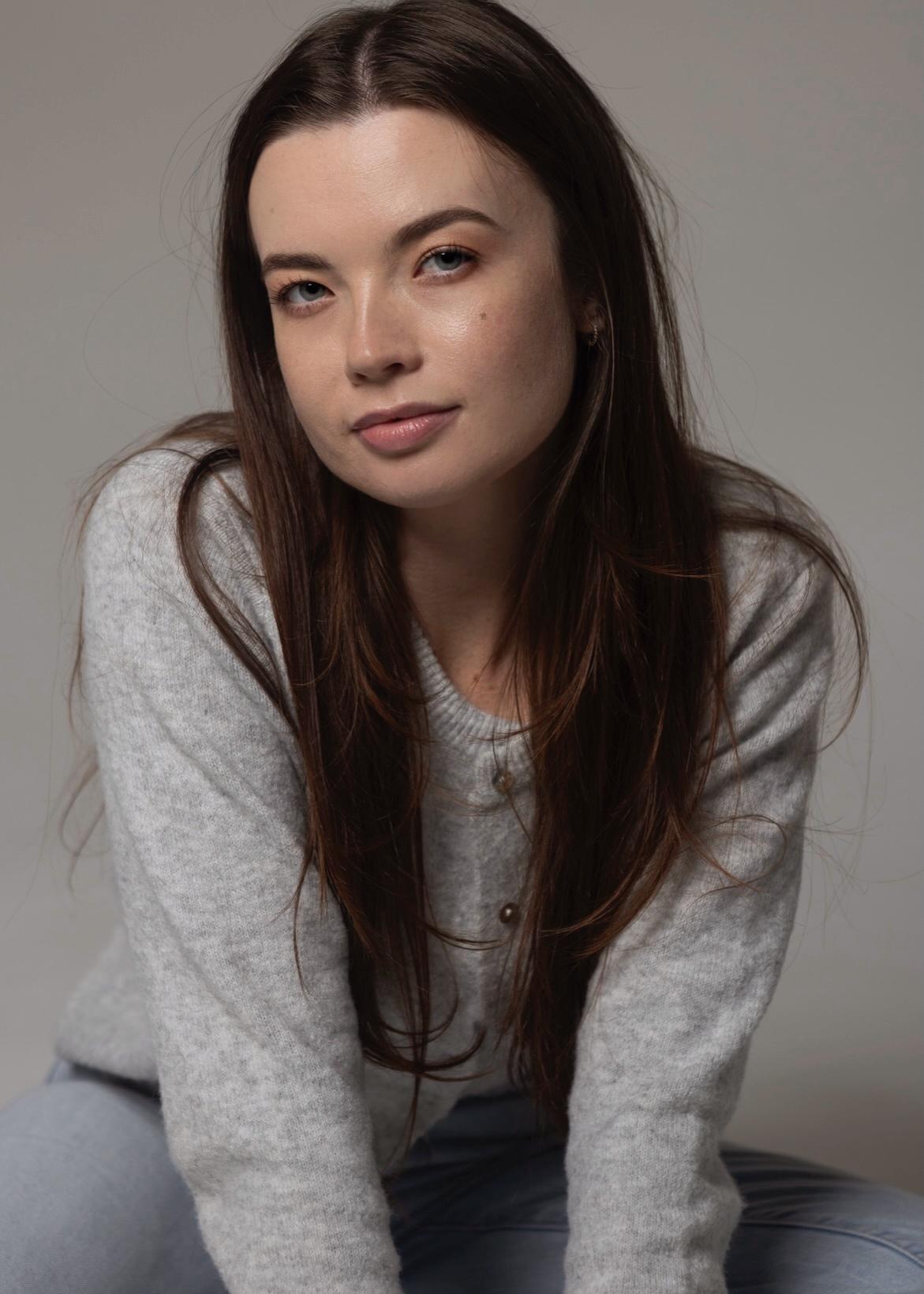
Chrissy Peterson is an actor, producer, and emerging filmmaker working in independent film in the Bay Area. She established herself first as an actor — including a leading role as Rose Davis in the upcoming feature Roan Creek, written and directed by Alyix Phillips — and has been expanding into producing and development through her own company, Silver Lining Productions.
What makes her approach worth examining isn’t the credits. It’s the structure. Peterson isn’t waiting for a traditional career path to unfold around her, and the choices she’s made to avoid that translate well beyond film.
1. Take an active role instead of an available one
The defining shift in Peterson’s career is from actor to creator and collaborator. Rather than waiting for the industry to determine which stories she gets to participate in, she has taken an increasingly active role in developing, producing, and championing projects herself.
That’s the whole premise. For anyone whose work depends on being selected — creatives, consultants, specialists of any kind — the difference between being available for opportunities and originating them is the difference between a career you react to and one you direct.
2. Learn how the thing you’re part of actually gets built
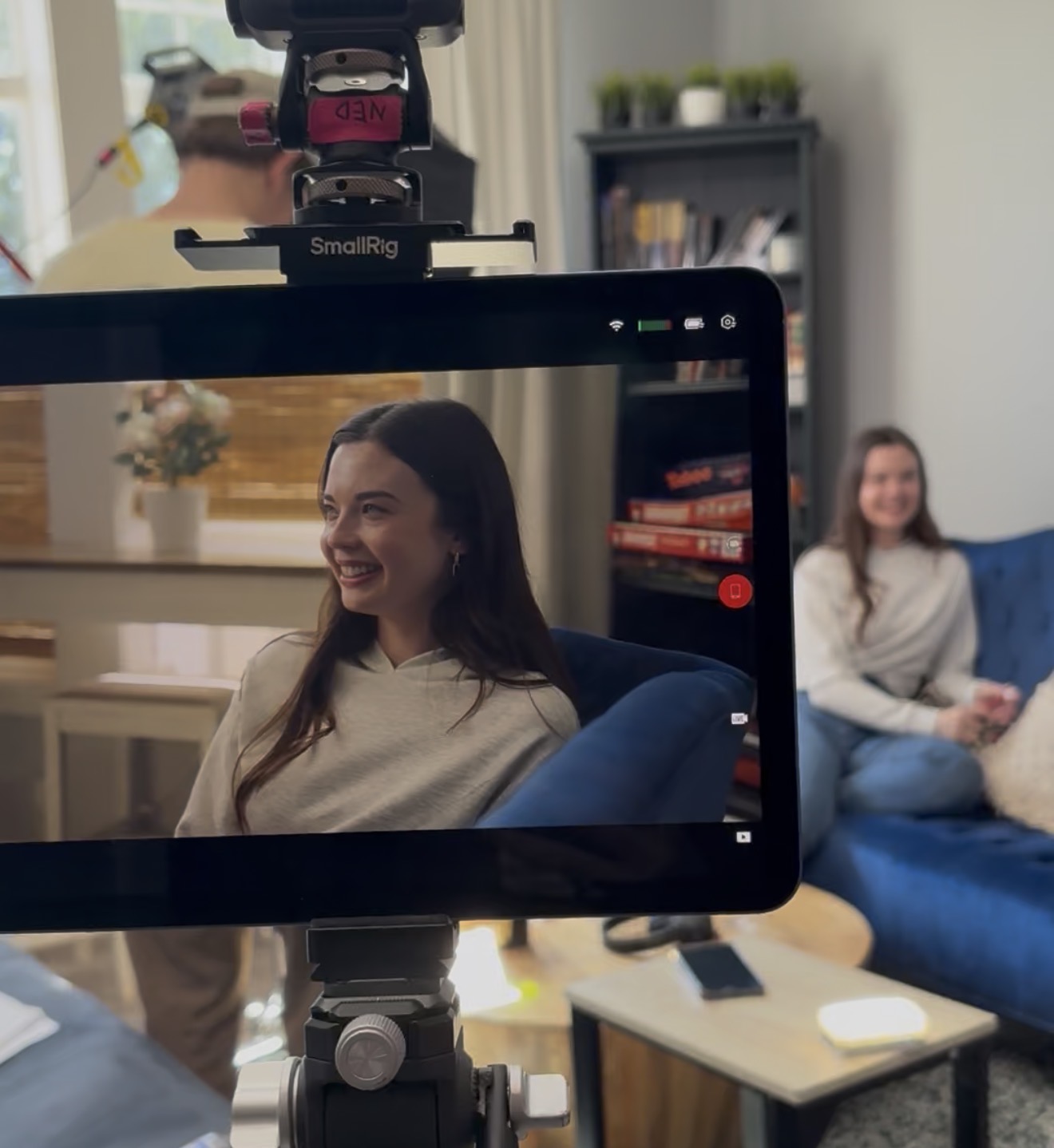
Peterson approaches filmmaking from both sides of the camera, and each side has improved the other. She brings an actor’s understanding of character and performance into her work as a producer. She has become a stronger actor by understanding how films are built from the ground up.
Her work at Overdrive Studios has been a significant part of that education, expanding her understanding of physical production and the filmmaking process beyond performance.
The transferable version: specialists tend to plateau at the edge of their specialty. Learning the adjacent function — the operations, the constraints, the economics of the system your work sits inside — is what makes someone a genuinely better collaborator rather than just a more experienced one.
3. Treat other independent companies as collaborators, not competition
This is where Peterson’s approach diverges most sharply from instinct.
She recently joined filmmaker Chris Hinton and Overdrive Studios as a producer, while maintaining Silver Lining Productions as her own independent production banner. Rather than treating independent production companies as competitors, she is interested in building collaborative relationships that allow filmmakers to share resources, perspectives, and opportunities while maintaining their own creative identities.
The partnership is already producing work. Her collaboration with Hinton and Overdrive includes Marked, an independent film project on which she is involved as both an actor and a producer. Overdrive Studios, founded by Hinton, operates a full-service production facility in Brisbane, California, and has become another creative home for her.
The principle generalizes cleanly to any under-resourced market: shared resources and honest exchange between peer firms can be worth more than defended territory — and it doesn’t require anyone to give up their own identity.
4. Define what the company is for
Silver Lining Productions has a stated point of view. Based in the Bay Area, it creates narrative-driven films with heart, purpose, and a distinctly female perspective. Peterson wants to make films with strong emotional perspectives, with a particular interest in complex female characters — stories that allow women to be messy, ambitious, flawed, funny, difficult, vulnerable, and fully human.
Her upcoming short film Female is in development through the company, built with an eventual festival run in mind. It reflects the kind of work she wants Silver Lining to become known for: narrative storytelling with a distinct perspective, emotional honesty, and female characters who are allowed to exist beyond traditional archetypes.
A clear thesis is not a branding exercise. It’s a decision-making tool — it tells a young company what to pursue and, more usefully, what to decline.
5. Build the community, not just the career
Peterson’s ambition is not simply to create opportunities for herself. She wants to help build an independent filmmaking community where talented people can make ambitious work together — particularly stories that give women the space to be complicated, imperfect, and deeply human.
She believes some of the most exciting careers in independent film are built by people willing to create, collaborate, and take chances before anyone gives them permission.
That belief is what Silver Lining Productions is an extension of: create opportunities, champion meaningful stories, collaborate generously, and make films with a distinct point of view rather than waiting for permission to do so.
Alongside developing and producing her own work, she continues to act and collaborate with other independent filmmakers, with projects including Roan Creek and Vox, both written and directed by Alyix Phillips; Marked, directed by Chris Hinton; and You, Me and Our Shadows, written and directed by Dom Scott. She is intentionally building a career that does not require choosing between being in front of the camera and behind it.
Connect with Chrissy Peterson:
Website: slpfilmhouse.com | Instagram: @chrisssypeterson · @silver.lining.productions | IMDb: Chrissy Peterson
Read us often? Make Thought Leaders Ethos™ a preferred source in Google Search and see our reporting more often in Top Stories.