The founder of PROPTA has spent 46 years teaching personal trainers. Three ideas run through everything he says about the work.
Joe Antouri has heard the same objection from new clients for decades: they want to get fit, but they do not want to look like a bodybuilder. Antouri, who won the AAU Mr. USA title in 1990, has an answer ready. It says a lot about how he thinks.
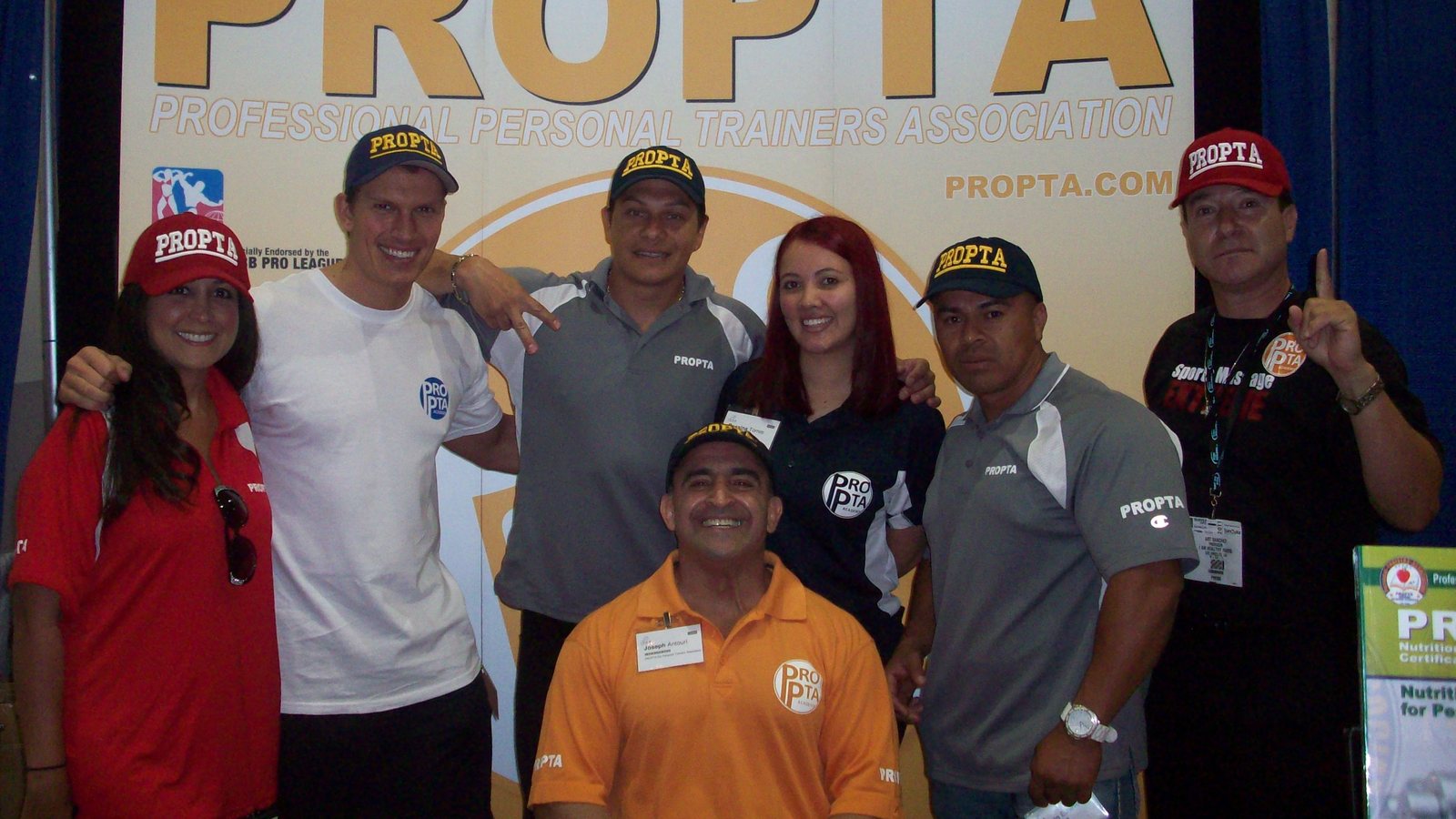
He founded the Professional Personal Trainers Association, PROPTA, in Los Angeles in 1980, and has run it since. Over that time he has built a consistent set of ideas about fitness and about teaching. Three of them stand out.
Joe Antouri, founder of the Professional Personal Trainers Association (PROPTA) and the 1990 AAU Mr. USA, argues that anyone who exercises is a bodybuilder, that personal trainers should learn from professional athletes, and that education is a way out. He built PROPTA around those ideas.
Key Takeaways
- Antouri defines bodybuilding as making the body stronger, more flexible, healthier and leaner, which includes walking and swimming.
- He believes trainers learn best from athletes who have tested their methods in competition.
- He sums up his mission as “Education gives you freedom and a future.”
- PROPTA teaches in several formats, including correspondence courses for people in prison.
1. Is everyone who works out a bodybuilder?
Antouri’s answer to the nervous client is to widen the word. “The word ‘Bodybuilder’ applies to all of us that workout,” he writes on PROPTA’s website, “whether you are in the gym lifting weights or riding the bike or swimming or walking.”
In his definition, bodybuilding is not a look. It is the process of making the body “stronger, flexible, healthy and lean.” The stage version is one extreme of a practice that includes anyone walking around the block. “We are all bodybuilders working out to improve our lifestyles,” he writes. “Fighting gravity, think about it.”
The reframing matters for trainers. A coach who sees every client as a bodybuilder in this broad sense treats a beginner’s walking plan with the same seriousness as a competitor’s program.
2. Who should teach personal trainers?
Antouri’s second idea comes from his own start. At 17 he weighed 105 pounds at 5’6″, and the person who finally helped him gain muscle was a professional bodybuilder. “He knew exactly what to do,” Antouri writes.
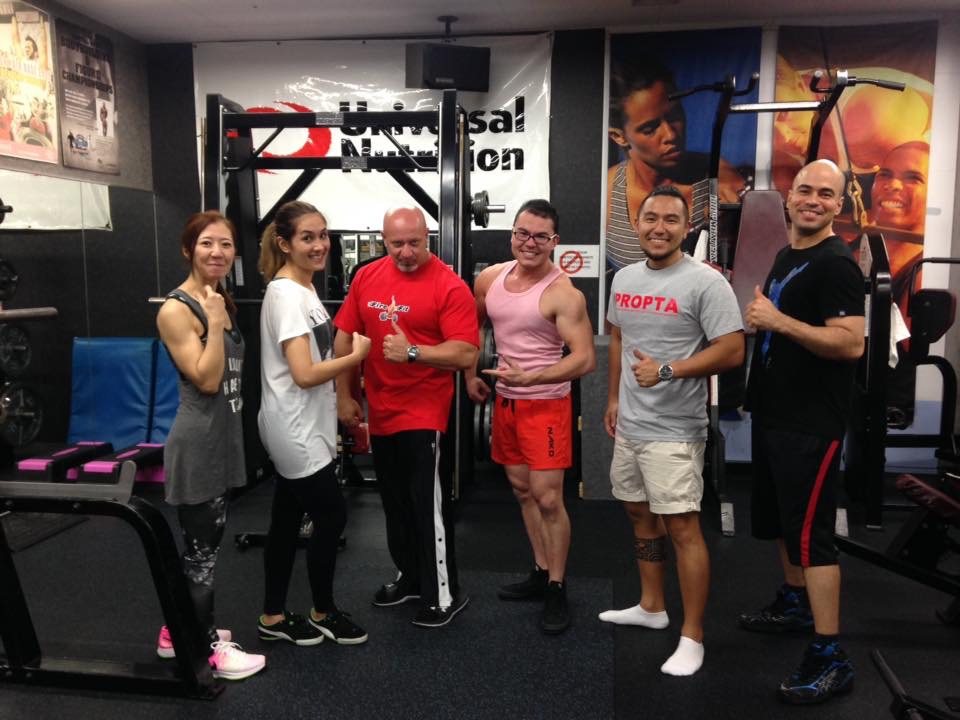
So PROPTA uses professional athletes as its instructors. His reasoning is that athletes “have been tested over and over for many years with competition,” and that the experience lets them train “anyone and everyone, males or females, skinny or fat, athletic or not.” His summary is blunt: “these athletes are the experience.”
It is a direct challenge to the idea that a weekend course and a test make someone ready to coach. In Antouri’s model, the textbook and the athlete’s experience have to go together.
3. Why does he call education a way out?
The third idea is the one he states most simply: “Education gives you freedom and a future.”
He means it literally. For nearly two decades, Antouri says, PROPTA has offered its personal trainer, nutrition and sports performance nutrition courses to people in federal and state prisons, by correspondence inside and online during reentry. A certification earned in prison can become a job, or a business, after release.
The same belief explains the range of ways PROPTA teaches, from classrooms and one-on-one sessions to online courses, home study and a Spanish-language course. Each removes a reason someone might not be able to learn.
Do Joe Antouri’s ideas hold up?
None of the three is complicated. Together they amount to a coherent philosophy: fitness belongs to everyone, it should be taught by people who have lived it, and learning it can change a life. Antouri has had 46 years to test that philosophy on his own students, and he is still teaching it.
Frequently asked questions
What does Joe Antouri mean by “we are all bodybuilders”?
He argues that anyone who exercises to get stronger, leaner or healthier is building their body, whether they lift weights, walk, swim or ride a bike.
Why does PROPTA use professional athletes as instructors?
Antouri says athletes who have competed for years have tested their methods under pressure and know how to train every kind of client.
What is Joe Antouri’s view of education?
He sums it up as “Education gives you freedom and a future,” and has built PROPTA around certification courses, including for people in prison.
Related reading on Thought Leaders Ethos
- Small by Design: 5 Business Lessons From Denver Pilates Girl’s Tiny Classes
- Who Is Evidence Based Kate? The Chicago Educator Demystifying Education Research
Sources
- Joe Antouri, founder biography and Q&A, PROPTA: propta.com/our-founder-joe-antouri
- Federal & State Prison Approved Inmate Courses (with student reviews), PROPTA: propta.com/federal-and-state-prison-inmate-personal-trainer-certification-and-education
- Personal Trainer Certification Courses, PROPTA: propta.com/personal-trainer-certification-courses
- Biography and background provided by Joe Antouri to Thought Leaders Ethos, November 2026.
Competition results, career history and program details are as stated by Joe Antouri and PROPTA. Photos are courtesy of Joe Antouri / PROPTA, from propta.com.
Follow Joe Antouri and PROPTA:
- Website: propta.com
- Instagram: @propta_joeantouri
- LinkedIn: PROPTA
- TikTok: @proptausa
Read us often? Make Thought Leaders Ethos™ a preferred source in Google Search and see our reporting more often in Top Stories.