
Mastering Emotional Intelligence: Practical Steps to Improve
Mastering Emotional Intelligence: Practical Steps to Improve
Want to enhance your emotional intelligence? This article offers practical steps to improve your social awareness and build stronger relationships.
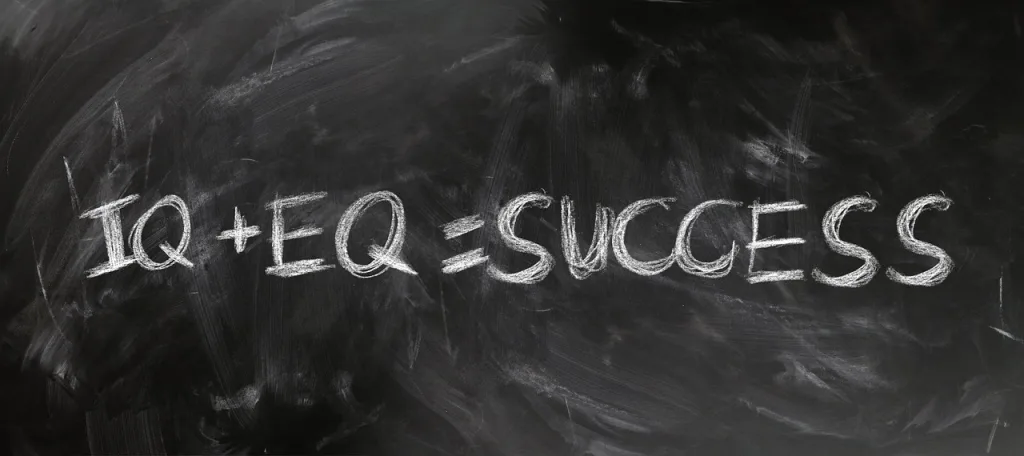
In the fast-paced world we live in, it can be easy to overlook the significance of emotional intelligence in our daily interactions. However, honing this skill is not only crucial for enhancing our understanding of others, but it also plays a vital role in building stronger relationships and achieving personal growth. This article explores practical steps that you can take to improve your social awareness and ultimately master emotional intelligence. By embracing these techniques, you will pave the way for more meaningful connections, greater empathy, and a deeper understanding of the people around you. Get ready to embark on a transformative journey towards enhanced emotional intelligence!

This image is property of images.pexels.com.
Understanding Emotional Intelligence
Emotional intelligence refers to the ability to recognize, understand, and manage our own emotions, as well as to recognize, understand, and influence the emotions of others. It involves a combination of self-awareness, self-management, social awareness, relationship management, and motivation. Having a high level of emotional intelligence is essential for personal and professional success, as it enables individuals to navigate social interactions effectively, make rational decisions, manage stress, and build strong relationships.
The Five Components of Emotional Intelligence
Self-Awareness
Self-awareness is the foundation of emotional intelligence. It involves being in tune with your own emotions, strengths, weaknesses, and values. By understanding your own emotional triggers and patterns, you can better manage your reactions to different situations and make conscious choices about how you want to respond. Developing self-awareness requires taking time for self-reflection, seeking feedback from others, and practicing mindfulness.
Self-Management
Self-management refers to the ability to control and regulate your own emotions, impulses, and behaviors. It involves developing emotional regulation techniques, such as deep breathing, journaling, or engaging in physical activities. Additionally, practicing stress management strategies, such as time management, seeking support when needed, and prioritizing tasks, can help in maintaining emotional balance and achieving personal and professional goals.
Social Awareness
Social awareness involves being attuned to the emotions and needs of others. It requires empathy and perspective-taking, which can be cultivated through active listening, being attentive to nonverbal cues, and observing others’ emotions and behaviors. By developing social awareness, you can better understand and respond to the emotions and needs of those around you, leading to improved communication, stronger relationships, and a more positive social impact.
Relationship Management
Relationship management is about effectively navigating and building relationships with others. It encompasses skills such as effective communication, conflict resolution, trust-building, and collaboration. By developing these skills, you can enhance your ability to work well with others, resolve conflicts peacefully, and build and maintain healthy relationships. Strong relationship management skills are crucial for success in both personal and professional aspects of life.
Motivation
Motivation plays a key role in emotional intelligence. It involves having a sense of purpose, setting meaningful goals, and maintaining passion and drive towards achieving those goals. Understanding the difference between intrinsic and extrinsic motivation can help you align your goals with your values and maintain long-term motivation. Overcoming procrastination and developing emotional resilience are also important aspects of motivation. By cultivating motivation, you can stay focused, resilient, and achieve greater success in all areas of your life.
Developing Self-Awareness
Recognizing and Understanding Emotions
To develop self-awareness, it is crucial to recognize and understand your own emotions. Take time to reflect on what triggers different emotions and how they affect your thoughts and behaviors. By increasing your emotional vocabulary and labeling your emotions more accurately, you can gain a better understanding of yourself and effectively communicate your emotions to others.
Self-Reflection and Self-Evaluation
Engaging in regular self-reflection and self-evaluation is an effective way to enhance self-awareness. Set aside dedicated time to assess your actions, behaviors, and emotional responses. Identify patterns and areas for improvement. Use journaling as a tool to explore your thoughts and emotions. This process allows you to gain insights into your strengths, weaknesses, and areas of personal growth.
Seeking Feedback from Others
Feedback from others can provide valuable insights into how you are perceived and how your emotions impact others. Seek feedback from trusted individuals – friends, family, mentors, or colleagues – who can provide honest and constructive input. Embrace feedback as an opportunity for growth and validate your own self-perceptions. Actively listening to others’ perspectives can help you gain a more comprehensive understanding of yourself and how you can improve.
Enhancing Self-Management Skills
Emotion Regulation Techniques
Emotion regulation techniques are essential for self-management. Deep breathing exercises, mindfulness practices, and meditation can help calm the mind and regulate emotions. Engaging in activities that bring joy and relaxation, such as hobbies or spending time in nature, can also help manage stress and improve emotional well-being. Experiment with different techniques to find what works best for you.
Stress Management Strategies
Stress is a common experience in our daily lives, and managing it effectively is crucial for emotional well-being. Time management techniques, such as prioritizing tasks and setting realistic goals, can help reduce feelings of overwhelm. Engage in regular physical exercise and practice healthy lifestyle habits, as they contribute to overall stress reduction. Seeking support from trusted individuals and practicing self-care are also important components of stress management.
Goal Setting and Prioritization
Setting meaningful goals and prioritizing them is an integral part of self-management. Clearly define your short-term and long-term goals, aligning them with your values and aspirations. Break down larger goals into smaller, manageable steps to stay motivated and measure progress. Regularly review and adjust goals as needed to ensure they remain relevant and attainable.
Adapting to Change
Adapting to change is a crucial aspect of self-management. Recognize that change is inevitable and embrace it as an opportunity for personal growth. Cultivate a flexible mindset and practice resilience in the face of adversity. Seek opportunities to learn and adapt, and be open to new perspectives and ideas. Embracing change with a positive outlook can help reduce stress and enhance emotional well-being.

This image is property of images.pexels.com.
Building Social Awareness
Empathy and Perspective-Taking
Empathy is a fundamental skill for building social awareness. It involves understanding and sharing the feelings and perspectives of others. Practice putting yourself in others’ shoes and try to understand their emotions and experiences. Active listening, asking open-ended questions, and showing genuine interest in others can help develop empathy and foster strong interpersonal connections.
Active Listening
Active listening is the ability to fully focus on and understand what others are saying, both verbally and nonverbally. Practice active listening by maintaining eye contact, nodding to show understanding, and providing verbal and nonverbal cues of engagement and interest. Avoid interrupting or formulating responses while the other person is speaking. By mastering active listening, you can enhance your understanding of others and build stronger relationships.
Observation and Nonverbal Cues
Observing nonverbal cues, such as body language and facial expressions, is a key component of social awareness. Pay attention to how others express themselves, whether through gestures, tone of voice, or posture. Be mindful of your own nonverbal cues and ensure they align with your intended message. Nonverbal cues often convey emotions and intentions more accurately than words alone, so honing your observation skills will greatly enhance your social awareness.
Improving Relationship Management
Effective Communication
Effective communication is an essential aspect of relationship management. It involves expressing yourself clearly and respectfully, actively listening to others, and adapting your communication style to different individuals and contexts. Practice using assertive communication techniques, such as expressing your needs and boundaries while considering the needs of others. By improving your communication skills, you can build stronger relationships and resolve conflicts more effectively.
Conflict Resolution
Conflict is a natural part of any relationship, and developing conflict resolution skills is crucial for maintaining healthy relationships. Seek to understand the perspectives of others involved in the conflict, and work towards finding mutually agreeable solutions. Use active listening to ensure that all parties feel heard and respected. Strive for win-win outcomes and avoid escalating conflicts through blaming or personal attacks. By practicing effective conflict resolution, you can improve relationship dynamics and foster a positive environment.
Building and Maintaining Trust
Trust is the foundation of any successful relationship, whether personal or professional. To build and maintain trust, be reliable, honest, and consistent in your actions and words. Follow through on your commitments and be accountable for your mistakes. Respect the boundaries and confidentiality of others. Building trust takes time and effort, but it is essential for creating strong, meaningful connections.
Collaboration and Teamwork
Collaboration and teamwork are vital for successful relationship management. Actively participate in group activities, share your ideas and expertise, and be open to the input and ideas of others. Foster a supportive and inclusive environment where everyone’s contributions are valued. Practice effective delegation and ensure that roles and responsibilities are clear. By fostering collaboration and teamwork, you can enhance relationship dynamics and achieve collective goals.

This image is property of images.pexels.com.
Motivation and its Role in Emotional Intelligence
Understanding Intrinsic and Extrinsic Motivation
Motivation is a driving force in achieving goals and personal growth. Understanding the difference between intrinsic and extrinsic motivation is key. Intrinsic motivation comes from within and is driven by personal values, passions, and a sense of fulfillment. Extrinsic motivation, on the other hand, comes from external rewards or consequences. Strive to align your goals and actions with your intrinsic motivation, as it leads to greater satisfaction and long-term success.
Setting Meaningful Goals
Setting meaningful goals is essential for maintaining motivation. Reflect on your values, passions, and aspirations to identify goals that are in alignment with your core self. Ensure that your goals are specific, measurable, attainable, relevant, and time-bound (SMART). Break down larger goals into smaller, manageable steps to maintain momentum and celebrate milestones along the way.
Overcoming Procrastination
Procrastination can hinder progress and decrease motivation. To overcome procrastination, break tasks into smaller, more manageable parts and focus on taking the first step. Create a schedule or a to-do list to prioritize tasks and hold yourself accountable. Identify potential barriers or distractions and develop strategies to overcome them. Practice self-discipline and cultivate a growth mindset to maintain motivation and overcome procrastination.
Finding and Maintaining Passion
Passion fuels motivation and keeps you engaged in the pursuit of your goals. Explore your interests, hobbies, and curio