Junia and the Six Lessons About What Mothers Pass to Daughters
Junia and the Six Lessons About What Mothers Pass to Daughters
A name is one of the smallest things a mother can give a daughter. It also turns out to be one of the most lasting. That truth sits at the center of the matriarchal naming tradition that Dr. Tamara Nall has just made formal. Junia, the cult
A name is one of the smallest things a mother can give a daughter. It also turns out to be one of the most lasting.
That truth sits at the center of the matriarchal naming tradition that Dr. Tamara Nall has just made formal. Junia, the cultural movement Dr. Nall founded, gives mothers the recognized framework to pass their own name to their daughters using the “Jn.” suffix as the feminine equivalent to “Junior.” Announced for Mother’s Day, the tradition arrives with a Certificate of Junia, an official Junia Naming Ceremony and a globalJunia Registry.
For mothers, daughters, and any family thinking carefully about what gets passed forward across generations, the tradition opens up six lessons worth carrying past this Mother’s Day.
Table of Contents
Toggle1. A Name Carries More Than Identity
In Scripture and across cultures, names have always carried inheritance, calling, and the line of family stretching across generations. The Junia tradition gives shape to that older understanding by making the act of passing a name down formal and visible. A mother who names her daughter Maya Jn. is signaling that the daughter carries forward more than a sound. She carries identity, lineage, and the imprint of the woman who gave her the name.
For the mothers participating this Mother’s Day, the act has weight beyond the suffix. It becomes the kind of moment that gets remembered on every birthday, every milestone, and every family gathering that follows.
A name passed down with intention carries more than the letters that spell it.
2. Legacy Reaches Into Identity, Not Only Biology
The brand language Dr. Nall uses for the Junia tradition is “legacy beyond biology.” The phrase points to a truth many mothers have always known. What gets passed forward in a family reaches into identity, culture, and intention as much as into genetics. Mothers who have walked through fertility challenges, adoption journeys, or any other path to motherhood have a tradition available now that does not depend on a single circumstance.
That breadth is part of what gives Junia its reach this Mother’s Day. The “Jn.” suffix can apply to a baby daughter, a teenage daughter who has been carrying her mother’s name informally for years, or an adopted daughter receiving the name as part of her welcome into the family.
Legacy beyond biology speaks to what mothers have already understood about what they give their daughters.
3. A Mother’s Recognition Belongs in the Formal Record
For centuries, the act of fathers passing names to sons has had a recognized suffix, public legibility, and zero confusion at the doctor’s office or the bank. The act of mothers passing names to daughters has been carried out with private intention and limited cultural infrastructure to support it. Junia closes that gap by giving mothers the same generational marker fathers and sons have always received.
The Certificate of Junia, the Junia Naming Ceremony, and the Junia Registry move the act from private gesture into formal record. The work was always meaningful. The recognition is finally catching up.
A mother’s act of inheritance deserves a place in the visible record of the family.
4. What Endures Is What Gets Passed Down With Intention
Dr. Nall described the Mother’s Day timing of the announcement directly. “Mother’s Day is a moment to reflect on what remains when we are gone,” she said. “For generations, daughters have been left out of one of the most powerful acts of legacy, the passing of a name. Junia changes that. This Mother’s Day, we invite mothers and daughters everywhere to take that step together.”
Intention is what turns a moment into a tradition. A name passed down with formal recognition holds its meaning for as long as the family chooses to honor it. That kind of permanence requires the kind of intention Junia’s framework now makes available to any participating family.
Permanence is the slow inheritance of every act done with intention.
5. Mothers and Daughters Have Always Shaped Generations
The pattern of mothers passing identity to daughters across generations runs through Scripture, mythology, and family history in cultures around the world. Second Timothy 1:5 names it specifically as the chain of faith carried from Lois to Eunice to Timothy, three generations bound together by what one woman passed to the next. Cultures across centuries have honored similar lineages, often without formal language for the work being done.
The Junia tradition gives that pattern visible form for a contemporary moment. Every mother who registers her daughter’s name with the “Jn.” suffix is participating in a lineage that has been carried for centuries. Every daughter who receives the name carries forward what generations of women have been carrying forward, with the public recognition the moment now deserves.
Mothers and daughters have always been the authors of generational narratives. Junia gives the work a name.
6. A Name Outlasts the Season It Was Given
The act of passing a name down lasts for the full arc of a family’s history. Junia gives mothers and daughters the framework to make that act formal in a single Mother’s Day moment.
The Certificate of Junia hangs on a wall and travels through generations. The Junia Registry holds the name for as long as the registry exists. National Junia Day on March 1 brings the entire community back together every year to celebrate the tradition collectively. Every piece of the architecture is built so the act of giving the name on Mother’s Day continues to mean something on the daughter’s wedding day, on her first child’s birth, and on the day she eventually passes the suffix to her own daughter.
A Mother’s Day choice that holds its meaning across decades is the kind of gift Scripture and history have been pointing toward all along.
From the Naming Tradition to the Mother’s Day Moment
For Dr. Nall, the timing of the launch is part of the tradition’s design. Mother’s Day functions as the moment when families across many backgrounds and circumstances pause to ask what their relationship with their mothers has meant. The Junia tradition arrives with a clear answer for any mother and daughter ready to formalize that relationship through the act of inherited naming.
The lessons above translate well beyond the immediate Mother’s Day moment. Naming, intention, recognition, and inheritance are timeless principles families return to across decades. Junia gives those principles a structure any family can adopt.
That structure is the framework Dr. Nall offers any mother and daughter thinking seriously about what gets passed forward this Mother’s Day.
A Mother’s Day Tradition Built for the Long Arc
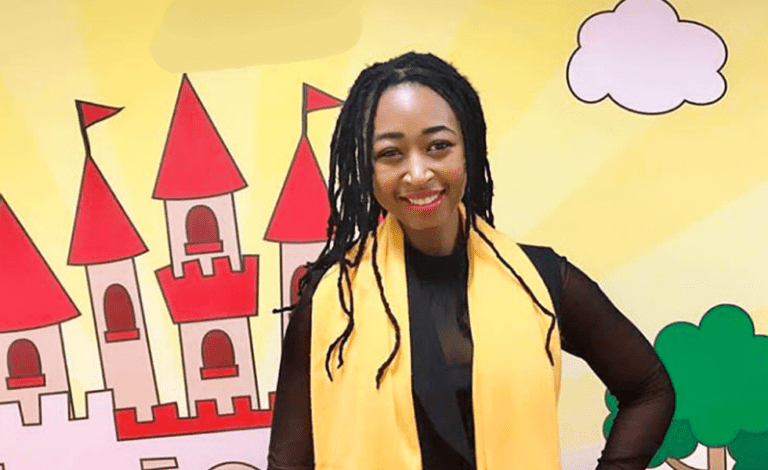
Dr. Tamara Nall built the Junia tradition during a personal season shaped by fertility challenges, grief after the loss of her mother, and a deeper reflection on what endures. The work emerged from the kind of season that produces lasting cultural change, where personal questions about legacy meet a clear gap in shared cultural tradition.
The result is a Mother’s Day tradition that does the slow work of restoring something the broader culture has been missing for centuries. Mothers passing their names to daughters now have the certificate, the ceremony, and the registry that make the act recognized and durable. National Junia Day on March 1 gives the entire global community a moment every year to mark the tradition together.
Whether the moment is Mother’s Day or any other family milestone, the principle stays consistent: a name passed down with intention is one of the most enduring gifts a mother can give.
Frequently Asked Questions
What is the Junia naming tradition? The Junia naming tradition is a formal practice that gives mothers a recognized way to pass their own name to their daughters using the “Jn.” suffix. It functions as the feminine equivalent to “Junior,” giving mothers and daughters the same generational marker fathers and sons have used for centuries. Junia, founded by Dr. Tamara Nall, created the certificate, ceremony, and registry that support the tradition.
What does the “Jn.” suffix mean? The “Jn.” suffix is the formal marker that signals a daughter has been named after her mother in the Junia tradition. A mother named Maya, for example, names her daughter Maya Jn., placing the suffix in the same position “Jr.” occupies for sons. The marker can appear on birth certificates, school records, and any family document the family chooses.
Why is Mother’s Day the right moment for the Junia tradition? Mother’s Day functions as the annual moment when families pause to reflect on what their mothers have meant to them, which makes it the natural setting for an act that formally honors that bond. The Junia tradition gives mothers and daughters a way to mark Mother’s Day with something that holds its meaning across decades. Dr. Tamara Nall framed the timing directly: “Mother’s Day is a moment to reflect on what remains when we are gone.”
Who is Dr. Tamara Nall? Dr. Tamara Nall is the founder and CEO of Junia, who built the cultural movement during a personal season shaped by fertility challenges and reflection on legacy, drawing from her faith and her training in systems thinking. Her work has positioned her as a leading voice on matriarchal naming, feminine legacy, and intentional cultural tradition.
What is National Junia Day? National Junia Day, set for March 1, is the annual day the entire Junia community celebrates the tradition together. Participating families share naming stories, photographs, and resources. The annual rhythm gives the matriarchal naming tradition a coordinated moment of visibility every year, which builds cumulative cultural recognition across decades.
A Mother’s Day Tradition Worth Carrying Forward
A Mother’s Day act done with intention can produce something that lasts for the full arc of a family’s history. The six lessons above show how naming, recognition, and inheritance combine to give families something to carry across generations. Whether the act happens this Mother’s Day or in the years to come, one rule stays constant: a name passed down with formal recognition is one of the most enduring gifts a mother can give.
For mothers and daughters ready to participate, the Certificate of Junia, the Junia Naming Ceremony, and the Junia Registry are at junialegacy.com.
Published by the Thought Leaders Ethos editorial team.
Read us often? Make Thought Leaders Ethos™ a preferred source in Google Search and see our reporting more often in Top Stories.