Connect with us

Communication

Navigating Interview Requests: Tips for Handling Media Inquiries

Learn valuable tips for handling media inquiries gracefully and professionally. Navigate through interview requests with confidence and convey your message effectively.

Published

on

You have landed yourself in a situation where journalists and media outlets are knocking on your door, seeking an interview. The question is, how do you navigate through this maze of interview requests with grace and professionalism? In this article, we will explore some valuable tips to help you handle media inquiries with confidence, ensuring that you make a lasting impression while effectively conveying your message. So, let’s dive into the world of media interviews, shall we?

Table of Contents

Preparing for Interview Requests

– Understanding the importance of interview requests

When you receive an interview request from a journalist or media outlet, it is essential to understand the importance of these requests. Interviews provide an opportunity to share your insights, expertise, and key messages with a wider audience. They can help you establish yourself as a thought leader in your industry and build your personal or organizational brand. The media coverage resulting from interviews can also contribute to increased visibility and credibility.

– Researching the media outlet

Before accepting or declining an interview request, take the time to research the media outlet. Consider their reputation, target audience, and editorial stance. Look into their previous interviews and articles to see if they align with your values and objectives. Understanding the media outlet will enable you to make an informed decision about whether to proceed with the interview.

– Familiarizing yourself with the journalist or interviewer

In addition to researching the media outlet, it is crucial to familiarize yourself with the journalist or interviewer. Look up their previous work, articles, or interviews they have conducted. This will give you insights into their style, approach, and areas of interest. Building a rapport with the journalist can enhance your interview experience and improve the overall outcome.

– Identifying the purpose and context of the interview

Before accepting an interview, it is important to identify the purpose and context of the interview. Ask yourself why the journalist or media outlet is interested in interviewing you. Consider if the interview aligns with your personal or organizational objectives. Understanding the purpose and context will help you determine if the interview is worth your time and energy.

Evaluating the Interview Request

– Assessing the legitimacy and credibility of the media outlet

When evaluating an interview request, it is crucial to assess the legitimacy and credibility of the media outlet. Consider factors such as their reputation, audience reach, and editorial standards. Look for any red flags that may indicate a lack of professionalism or integrity. Ensuring the media outlet is reputable and credible will help safeguard your personal or organizational image.

– Considering the potential benefits and risks of the interview

Before accepting or declining an interview request, carefully consider the potential benefits and risks involved. On the positive side, interviews can lead to increased visibility, credibility, and opportunities for networking. However, there are also risks such as misrepresentation or misinterpretation of your words. Assessing the potential benefits and risks will help you make an informed decision about whether to proceed with the interview.

– Reviewing the alignment with personal or organizational objectives

Every interview request should be evaluated based on its alignment with your personal or organizational objectives. Consider if the interview provides an opportunity to promote your key messages or advance your goals. If the interview does not align with your objectives, it may be more beneficial to decline and wait for a more fitting opportunity.

– Weighing the time commitment required for the interview

Another important aspect to consider when evaluating an interview request is the time commitment required. Assess whether you have enough time to adequately prepare for the interview and participate in a meaningful way. If the time commitment is too significant and clashes with other priorities, it may be necessary to decline or negotiate a more suitable schedule.

Navigating Interview Requests: Tips for Handling Media Inquiries

This image is property of pixabay.com.

Establishing Communication

– Responding promptly to the interview request

Once you have evaluated the interview request and decided to proceed, it is crucial to respond promptly to the journalist or media outlet. Timely communication shows professionalism and indicates your interest in the opportunity. Responding promptly also allows you to secure a suitable time slot for the interview before their schedule fills up.

– Requesting additional information if necessary

If the interview request lacks essential details such as the interview format, duration, or topics, do not hesitate to request additional information. Clear and comprehensive information will help you prepare adequately and ensure a productive interview. Politely ask for any necessary details or specifications to avoid any misunderstandings or surprises on the day of the interview.

– Clarifying the interview format and duration

Understanding the interview format and duration is essential for effective preparation. Clarify whether the interview will be conducted in person, over the phone, or through video conferencing. Additionally, inquire about the estimated duration of the interview. This information will help you structure your preparations and allocate enough time for a comprehensive discussion.

– Scheduling a suitable time for the interview

Collaborate with the journalist or media outlet to find a suitable time for the interview. Take into account your availability and any other commitments you may have. Flexibility in scheduling will increase the likelihood of finding a mutually convenient time for both parties. Once the time is confirmed, mark it in your calendar and ensure you allocate enough time for preparation beforehand.

Preparing for the Interview

– Conducting background research on the interviewer

To be well-prepared for the interview, conduct background research on the interviewer. Look for their professional background, areas of expertise, and interview style. This information will help you anticipate the interviewer’s approach and tailor your responses accordingly. Understanding the interviewer’s background will also enable you to build a stronger rapport during the interview.

– Familiarizing yourself with potential interview topics

Research and familiarize yourself with potential interview topics. Consider the current trends, industry developments, or issues relevant to the media outlet or the journalist’s previous work. Being well-versed in these topics will allow you to provide informed insights and engage in meaningful discussions during the interview.

– Preparing key messages and talking points

Identify your key messages and talking points for the interview. These should align with your personal or organizational objectives and the topics discussed during the interview. Craft them in a concise and impactful manner, ensuring they resonate with your target audience. Having well-prepared key messages will help you maintain focus and effectively convey your desired messages.

– Anticipating challenging or sensitive questions

While preparing for the interview, anticipate challenging or sensitive questions that may arise. Consider potential controversial topics or criticisms that the journalist may bring up. By thinking through your responses in advance, you can be better prepared to handle such questions with confidence and poise. Anticipating challenging questions will help you maintain control of the interview and avoid being caught off guard.

Navigating Interview Requests: Tips for Handling Media Inquiries

This image is property of pixabay.com.

Crafting your Message

– Clarifying your main messages or objectives

Before the interview, clarify your main messages or objectives. What do you want to communicate and achieve through this interview? Understanding your main messages will help you stay focused and ensure consistent delivery throughout the conversation. By keeping your objectives in mind, you can tailor your responses accordingly and effectively convey your desired messages.

– Tailoring your message to the target audience

When crafting your message, consider the target audience of the media outlet. Tailor your language, examples, and anecdotes to resonate with their readers, viewers, or listeners. Adapting your message to the target audience’s interests and preferences will increase the chances of engaging them and leaving a lasting impression.

– Practicing concise and impactful responses

Practicing concise and impactful responses is essential to delivering a compelling interview. Time constraints during interviews often call for brief and focused answers. Practice condensing your thoughts into clear, concise statements without sacrificing the essence of your message. By refining your responses, you can effectively convey your insights while capturing the audience’s attention.

– Using storytelling techniques to enhance your message

Storytelling is a powerful tool for conveying information and connecting with the audience. Incorporate storytelling techniques into your responses to make your message more engaging and memorable. Use personal anecdotes, case studies, or examples to illustrate your points and make them relatable. By using storytelling techniques, you can leave a lasting impact on the interviewer and their audience.

Managing the Interview

– Demonstrating confidence and professionalism

During the interview, it is important to demonstrate confidence and professionalism. Projecting confidence in your knowledge and abilities will instill trust in the interviewer and their audience. Maintain good posture, make eye contact, and speak clearly and assertively. By projecting professionalism, you will be seen as a credible source of information.

– Active listening and thoughtful responses

Active listening is key to a successful interview. Pay close attention to the interviewer’s questions and comments. Take brief pauses before responding to show that you have carefully considered your answer. Respond thoughtfully, providing well-structured and relevant information. Active listening and thoughtful responses will make the interview more engaging and productive.

– Maintaining a conversational tone

While interviews may feel formal, it is important to maintain a conversational tone throughout the conversation. Engage in a friendly and casual manner, as if you were speaking to a colleague or friend. This will help create a relaxed atmosphere and facilitate a more natural flow of conversation. Maintaining a conversational tone will also make you more relatable to the interviewer and their audience.

– Engaging in dialogue rather than monologue

Avoid falling into the trap of delivering lengthy monologues during the interview. Instead, aim for a balanced and dynamic conversation. Engage with the interviewer by asking follow-up questions or seeking clarification when needed. Create opportunities for back-and-forth dialogue that allows for a deeper exploration of the topic at hand. Engaging in dialogue will make the interview more engaging and enriching for both parties.

Navigating Interview Requests: Tips for Handling Media Inquiries

This image is property of pixabay.com.

Addressing Challenging Questions

– Staying calm and composed

When faced with challenging questions, it is important to stay calm and composed. Take a deep breath and remind yourself that you are prepared for this moment. Avoid becoming defensive or argumentative. Instead, respond with a calm and measured tone, focusing on the facts and maintaining your professionalism. Staying calm and composed will project confidence in your ability to handle difficult situations.

– Requesting clarification if needed

Challenging questions can sometimes be ambiguous or unclear. If you find yourself unsure about the meaning or intent of a question, politely ask the interviewer for clarification. Seek to fully understand the question before responding to ensure your answer is relevant and accurate. Requesting clarification demonstrates your commitment to providing thoughtful and informed responses.

– Providing honest and transparent responses

Challenging questions may tempt you to evade or sugarcoat the truth. However, it is crucial to provide honest and transparent responses. Integrity and credibility are paramount in interviews, and dishonesty can damage your reputation. Be truthful in your answers while keeping in mind your main messages and objectives. Provide factual information and, if necessary, offer a balanced perspective to address the question adequately.

– Redirecting the conversation to your key messages

When faced with challenging questions, it can be tempting to get sidetracked. However, it is important to stay focused and redirect the conversation back to your key messages. Acknowledge the question and respond concisely, then swiftly transition the discussion towards the topics that align with your main messages. By redirecting the conversation, you can ensure your key points are conveyed effectively.

Handling Off-the-Record Requests

– Understanding the implications of off-the-record statements

Off-the-record statements carry significant implications. When someone asks to go off the record, it means they do not want their statement attributed to them or their organization. It is crucial to understand that the information shared off the record should not be used or quoted in any way. Respecting the off-the-record request is essential to maintaining professional integrity and trust.

– Assessing the trustworthiness of the journalist

Before proceeding with an off-the-record request, assess the trustworthiness of the journalist. Consider their track record, reputation, and credibility. Evaluate if they have respected off-the-record requests in the past and have upheld professional standards. Trust is the foundation of off-the-record agreements, so ensure you are confident in the journalist’s ability to honor your request.

– Setting clear boundaries and expectations

When engaging in off-the-record discussions, it is crucial to set clear boundaries and expectations. Clearly communicate what information is off the record and establish mutual understanding between you and the journalist. Ensure both parties agree on the terms and limitations of the off-the-record agreement to avoid any misunderstandings or breaches of trust.

– Deciding whether to proceed with off-the-record comments

Ultimately, the decision to proceed with off-the-record comments rests with you. Consider the potential benefits and risks of sharing information off the record. Assess whether the information provided can help shape the narrative positively or contribute to a better understanding of the situation. Make an informed decision based on the importance of the information and the trustworthiness of the journalist.

Following Up After the Interview

– Sending a thank-you note or email to the interviewer

After the interview, it is important to send a thank-you note or email to the interviewer. Express your gratitude for the opportunity to share your insights and perspectives. Personalize the message by referring to specific points discussed during the interview. Thanking the interviewer shows professionalism and leaves a positive impression.

– Requesting a copy or transcript of the interview

If it is appropriate, consider requesting a copy or transcript of the interview. This will allow you to review the conversation and reflect on your performance. Having a record of the interview can also be valuable for reference or sharing with colleagues or stakeholders. Not all media outlets may be able to provide a copy, but it is worth asking if it aligns with your goals.

– Reviewing and learning from the interview experience

Take the time to review and reflect on the interview experience. Consider what went well and areas that could be improved. Reflect on your preparation, communication style, and overall performance. Learning from each interview experience will help you grow and refine your approach for future opportunities.

– Evaluating the success of your key messages

Assess the success of your key messages by gauging their resonance and impact. Consider any feedback or reactions received from the audience or stakeholders. Evaluate whether your key messages were effectively communicated and if they aligned with the objectives of the interview. Use this feedback to refine your key messages for future interviews.

Building Relationships with Journalists

– Maintaining open and responsive communication

Building relationships with journalists requires open and responsive communication. Be accessible and timely in your responses to their inquiries or requests. Cultivate a professional rapport by demonstrating your willingness to engage in meaningful discussions and provide valuable insights. By maintaining open and responsive communication, you establish yourself as a reliable and trustworthy source.

– Offering assistance for future stories or inquiries

Extend your support to journalists by offering assistance for future stories or inquiries. Share your expertise and knowledge, making yourself available as a resource. Actively contribute to their work by providing relevant information or connecting them with other industry experts. By offering assistance, you build goodwill and strengthen your relationship with journalists.

– Establishing yourself as a reliable source

Consistently demonstrate your expertise and reliability to establish yourself as a go-to source for journalists. Share valuable insights, data, or industry trends that are useful for their reporting. Be proactive in providing information that can assist in their work. Earn their trust by consistently delivering accurate and reliable information.

– Attending PR events or networking opportunities

To further build relationships with journalists, take advantage of PR events or networking opportunities. Attend industry conferences, seminars, or workshops where journalists are likely to be present. Make an effort to engage in meaningful conversations and forge connections. Building personal relationships can enhance your chances of securing future interview opportunities and media coverage.

Handling interview requests from journalists or media outlets requires careful evaluation, preparation, and management. By understanding the importance of these requests, assessing their credibility, and establishing effective communication, you can navigate interviews successfully. With thoughtful preparation and the ability to handle challenging questions or off-the-record requests, you can present your key messages confidently and build strong relationships with journalists. Remember to follow up after the interview and continue nurturing those relationships to become a reliable source for future media coverage.

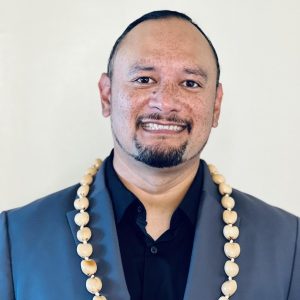
Rob Pene, the chief growth guy at Mission Driven Brand, LLC, left the polynesian islands to pursue his dream of higher education and entrepreneurship. He is a former professional baseball player, spent 6 years as a public school teacher, and has over 12 years of experience in sales and marketing. When Rob isn’t optimizing a website for conversions, he’s either hanging out with family, cooking & washing dishes, or on zoom teaching or coaching. Connect with Rob on his Insta

Continue Reading
Click to comment

Leave a Reply

Your email address will not be published. Required fields are marked *

Want to be a contributing writer for Thought Leader Ethos?

X